Preparing an interview, an article, or an introduction? Everything you need is on this page — bios ready to read on air, the story, suggested topics, photos, and links. If you need anything else, write me.
“The scientist who mapped the brain — and followed the question the map couldn't answer.”
“I help people redesign their lives by showing them the true nature of reality.”
“Is consciousness created by the brain — or is the brain created by consciousness?”
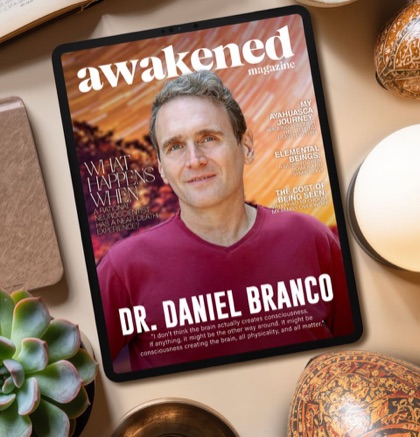
“I don't think the brain actually creates consciousness. If anything, it might be the other way around. It might be consciousness creating the brain, all physicality, and all matter.”
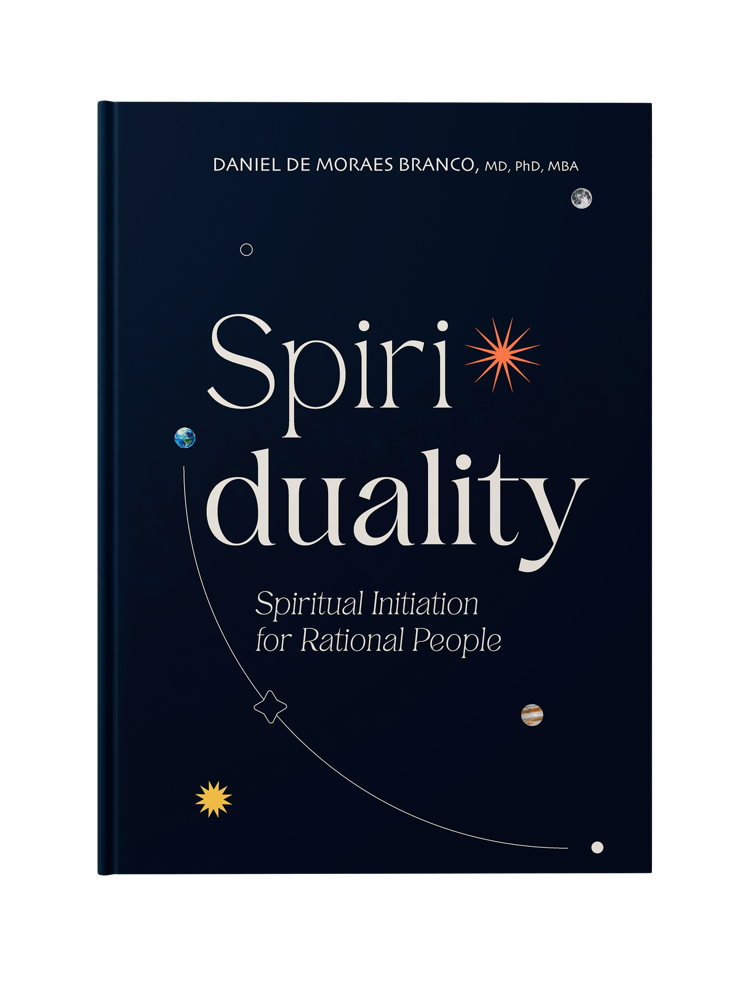
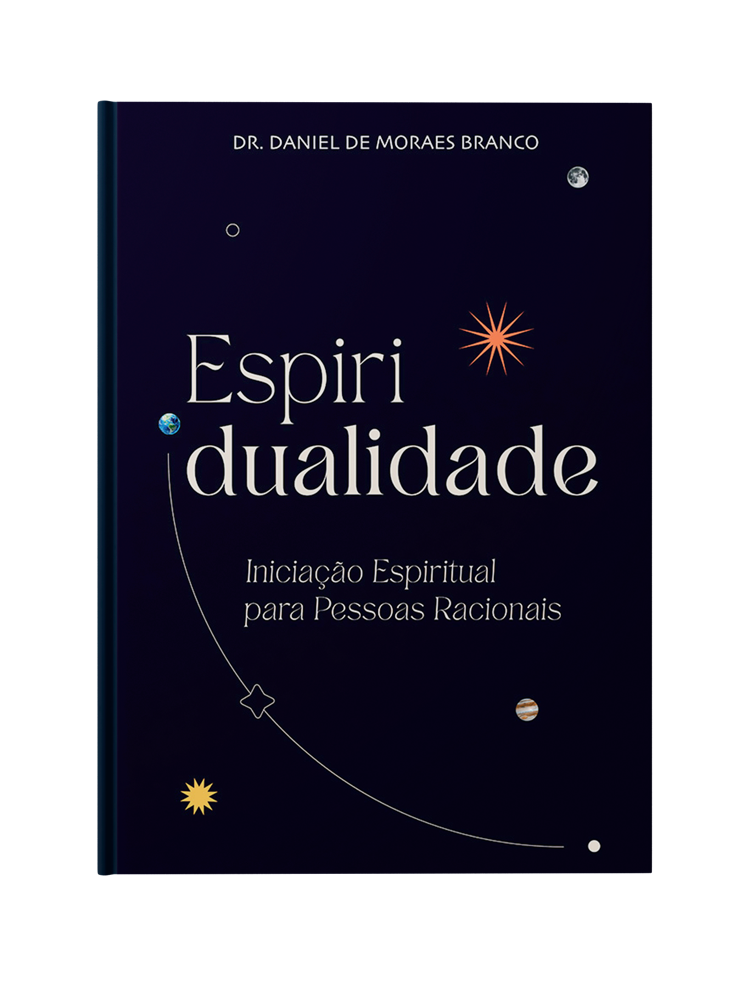
Daniel Branco is a Brazilian neurologist and neuroscientist who spent the first act of his career making color-coded maps of living human brains — imaging at Harvard Medical School and Brigham and Women's Hospital that showed where memory encoding lived in candidates for epilepsy and tumor surgery. He then spent two decades as a healthcare builder: digital-health ventures, hospital leadership, a Wharton MBA — and, at Artiva Biotherapeutics, leading the financial planning behind the company's IPO. At 41, a fulminant heart attack — and the near-death experience that came with it — made his scientific question personal. He is the author of Spiriduality: A Spiritual Initiation for Rational People, hosts the High Consciousness podcast in English and Alta Consciência in Portuguese, and leads two constellations of work: BioAlma, AI-powered intelligence for biotech, and ConsciousnessAlma, a school of consciousness. He lives in San Diego.
Daniel Branco is a Brazilian neurologist and neuroscientist — Harvard-trained in brain mapping, Wharton MBA, author of Spiriduality: A Spiritual Initiation for Rational People, host of the High Consciousness podcast, and founder of ConsciousnessAlma — School of Consciousness. After a near-death experience at 41, he works at the meeting point of neuroscience, entrepreneurship, and consciousness.
Born in Salvador and raised in Porto Alegre, Daniel started in electrical engineering before switching to medicine. He became a neurologist, then a neuroscientist: a PhD in neuroscience and a brain-mapping fellowship at Harvard Medical School / Brigham and Women's Hospital, where his maps showed where memory encoding lived in patients who were candidates for epilepsy or brain-tumor surgery — so surgeons could operate without erasing what mattered most. And inside that work sat a paradox he couldn't shake: the maps showed everything except experience itself. He could point to where a memory was being written — but nothing in any scan showed what it is like to be the person remembering. Correlation, he realized, is not necessarily causation.
Rather than stay at the bench, Daniel built: Brazil's first patient Q&A portal (co-founded while he was still in medical school), an early cloud EMR, digital therapeutics with major pharma, telemedicine, leadership at Brazil's top hospitals — and, later, financial planning at Artiva Biotherapeutics, where he owned the long-range plan that informed how much the company needed to raise on its way to IPO. A full, conventional, successful career — what he calls the “3D” résumé. It matters to the story for one reason: nobody can dismiss what came next as coming from someone who needed spirituality to compensate for anything.
At 41, Daniel suffered a fulminant heart attack at the gym — and with it, a near-death experience: a void with no body, no biography, no fear. Perfect peace. (“I was a monad,” he writes.) The part nobody expects came after: years of quiet depression — not from having almost died, but from having to come back. He spent years wanting to return to that peace. The resolution that finally ended the depression became the thesis of everything since: stop trying to go back, and learn to build that peace here.
The scientist and the experiencer finally sat at the same desk, and the result was Spiriduality (2024) — not a book of faith, but of first principles. Science's evidence is third-person by construction; experience is first-person by nature — so whether the brain creates consciousness or consciousness creates the brain is undecidable by science, and everyone is choosing an answer, usually without noticing. Daniel chose the second assumption and followed it with full rational honesty; he is now distilling that exploration into a practical method for navigating first-person reality without fooling yourself — one he believes is within reach. Today the work lives in two constellations: BioAlma, AI-powered intelligence for the biotech industry, and ConsciousnessAlma, the school of consciousness he calls “the closing chapter of my book, become an organization” — alongside his bilingual podcast. He is also an astrophotographer, which is where the two halves meet: the brain holds about as many neurons as the galaxy holds stars.
I use it all the time. Most importantly, for the really difficult decisions — quitting a job, changing countries, taking any kind of leap of faith (and I've had several). It's a combination of intuition with knowing who I am — first principles and values. All of that comes together to propel me forward. I rely on my intuition to guide me through fear, because you cannot use fear itself to guide you through fear. That's my intuition — and it's usually intertwined with inspiration and excitement. But sometimes intuition comes as a voice that is not mine. When I was in flow writing my book, sometimes the train of thought came with a Scottish accent. That wasn't my own voice. Someone else joined and helped co-create that work. And there are phases of my life when I'm able to engage in daily conversations with a voice that is not really mine. It started early in my life, which makes me think I'm always being guided. If I can't hear, it's not because they aren't there — it's because I disconnected myself.
Fourteen directions this conversation can go — take any of them, or bring your own.
Why neuroscience can map exactly where a feeling lights up, yet never locate the someone who feels it.
The consciousness question, asked by someone who mapped living brains so surgeons could cut without erasing the person.
The inversion at the center of his work, and why a career in the measurable world led him to take the second answer seriously.
A fulminant heart attack at 41, a void of perfect peace — and the years of depression that came not from almost dying, but from coming back.
Building AI companies in biotech and a philosophy of consciousness — and why he refuses to keep them in separate boxes.
Meaning, identity, and presence after a serious diagnosis; reaching past the body without denying it. No cures, no claims — the inner journey.
The part of being sick that no scan, drug, or protocol is designed to touch — and why that gap is the real frontier.
A scientist's framework for consciousness and meaning without dogma — and how to talk about the soul without leaving rigor behind.
One reality, two irreducible perspectives: the world science measures, and the one only you can feel.
Choice, resonance, and authorship: what it means to live as the creator of your experience rather than its victim.
What artificial intelligence can and can't hold for a human being in crisis, and where the line should be.
What a neurologist learns about death from the brain, and how facing the end can expand a life rather than shrink it.
Missions, visions, and culture exist only in first-person reality: leading by what can be felt but not measured.
Astrophotography, awe, and scale as a practice — why looking at the cosmos and looking at the mind are the same act.
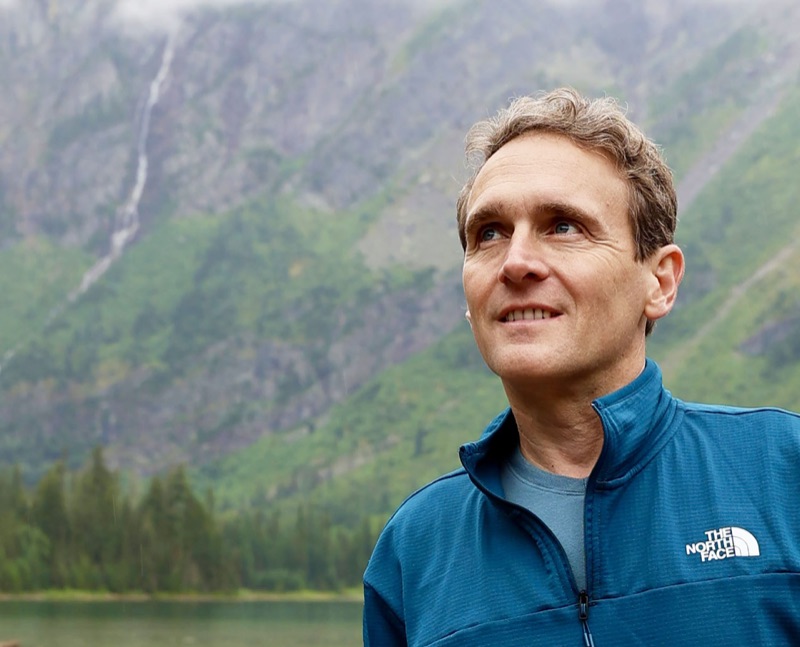
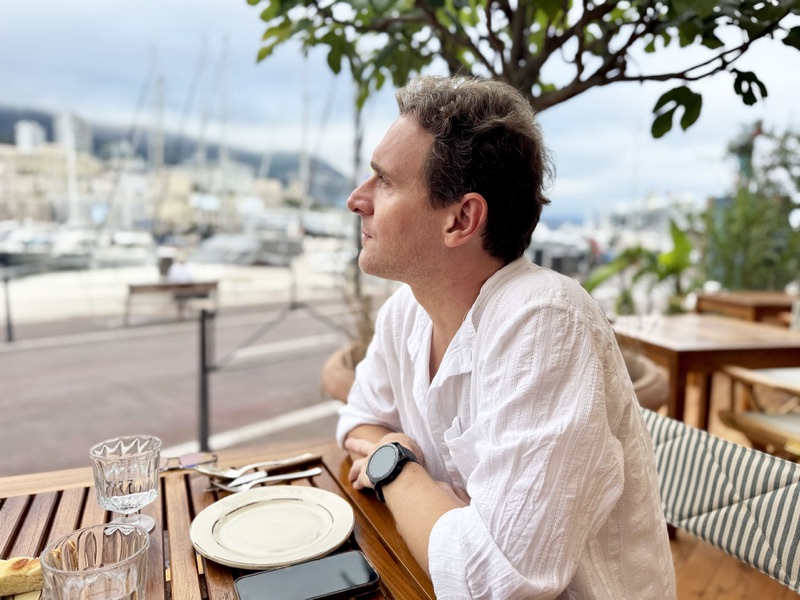
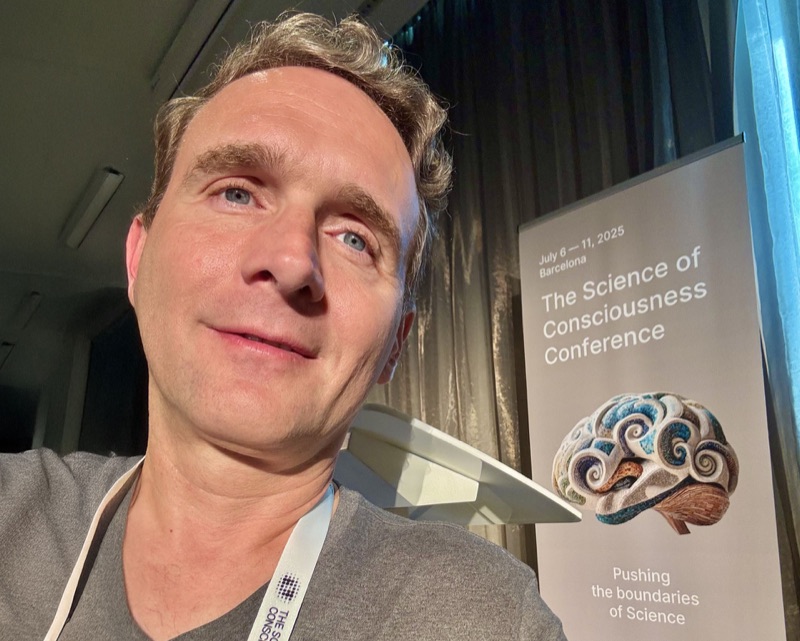
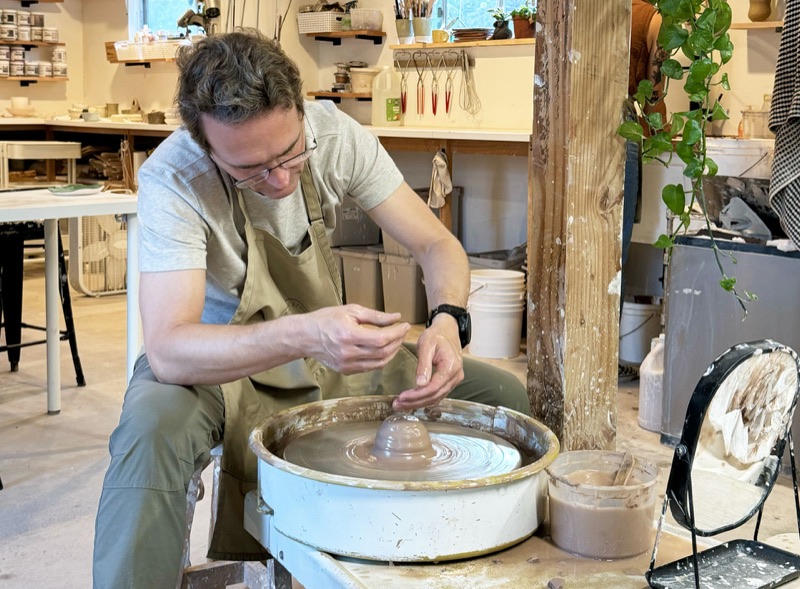
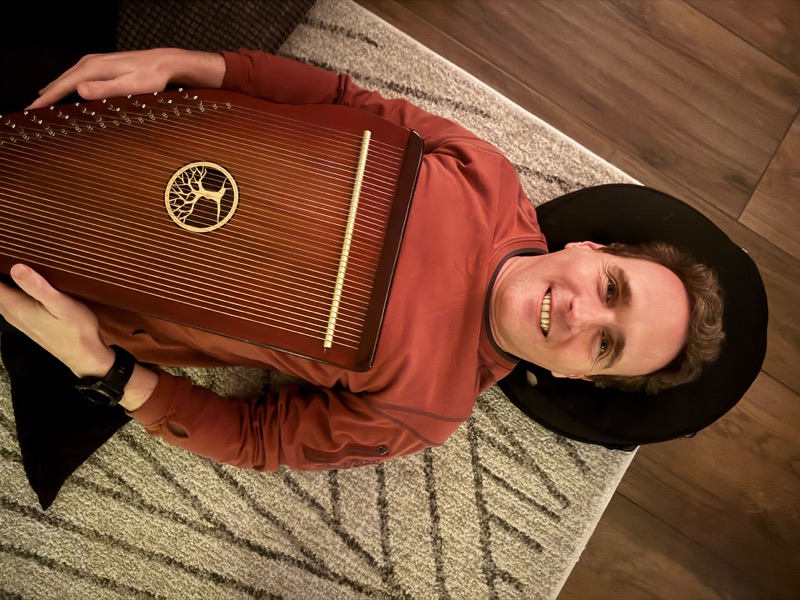
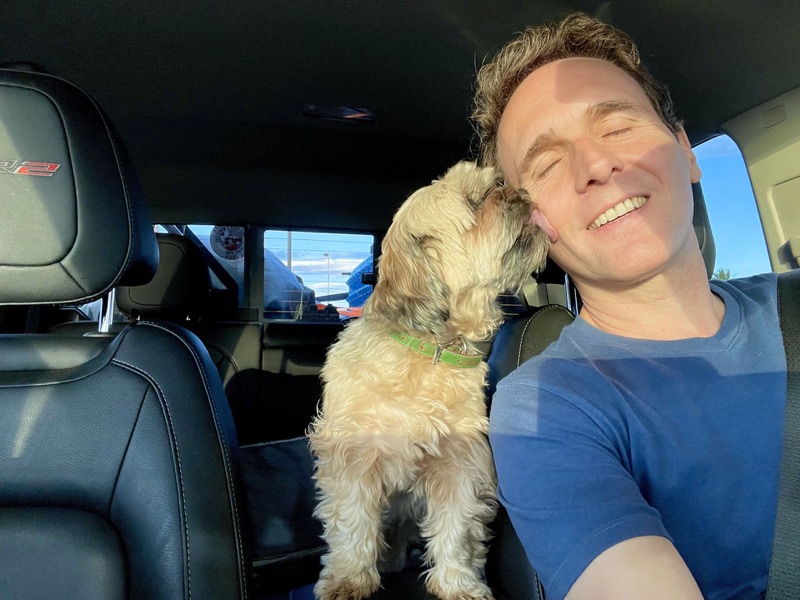
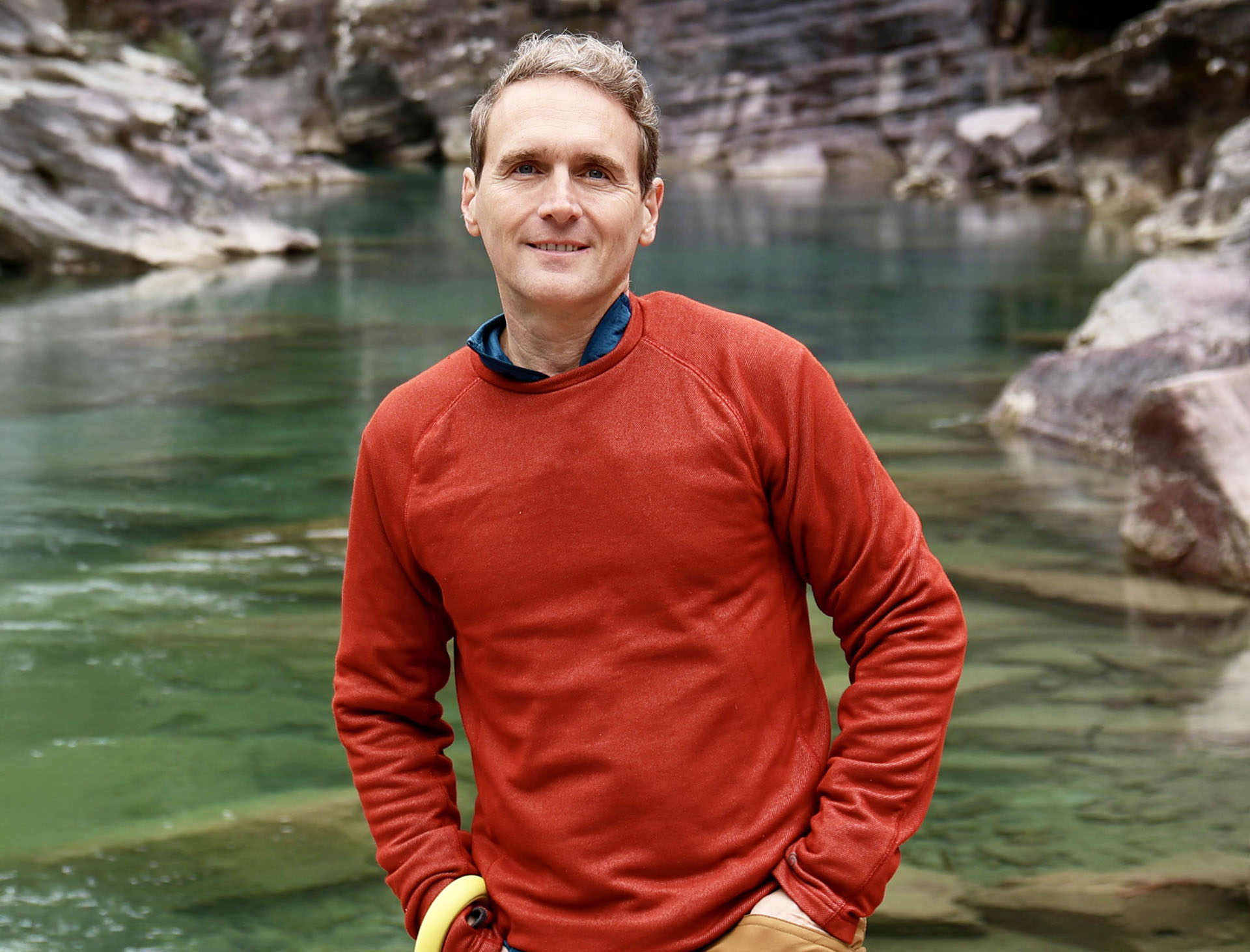
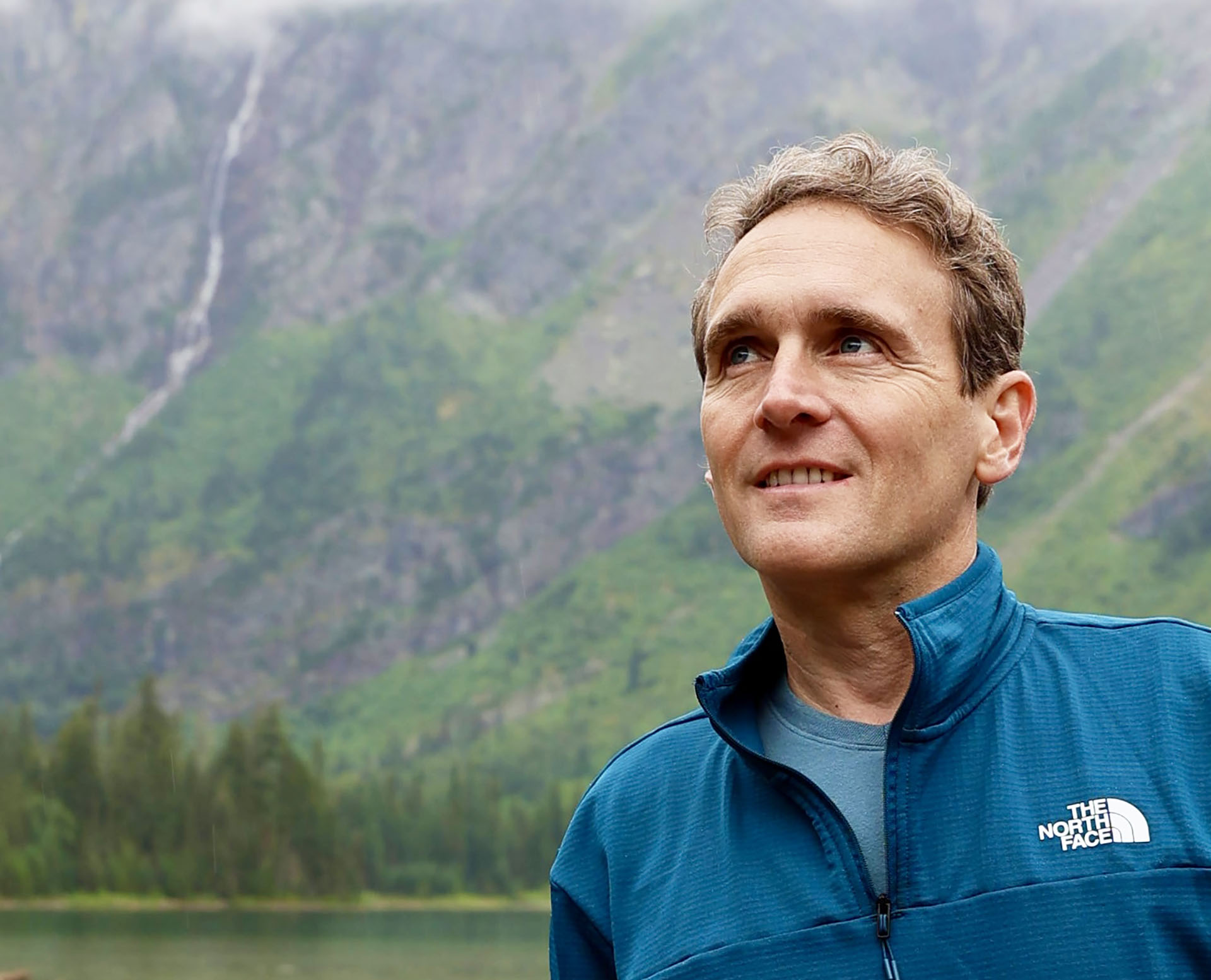
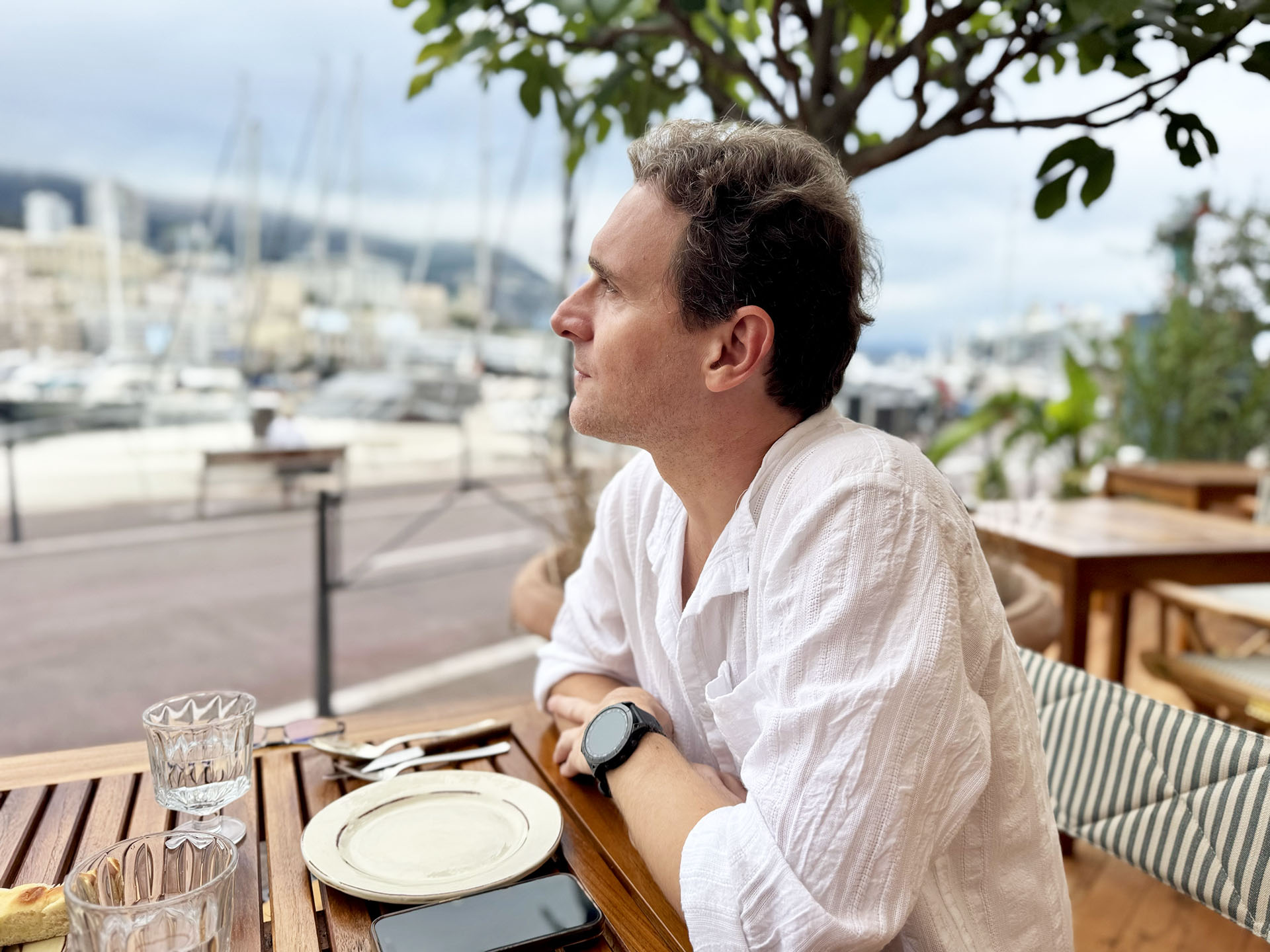
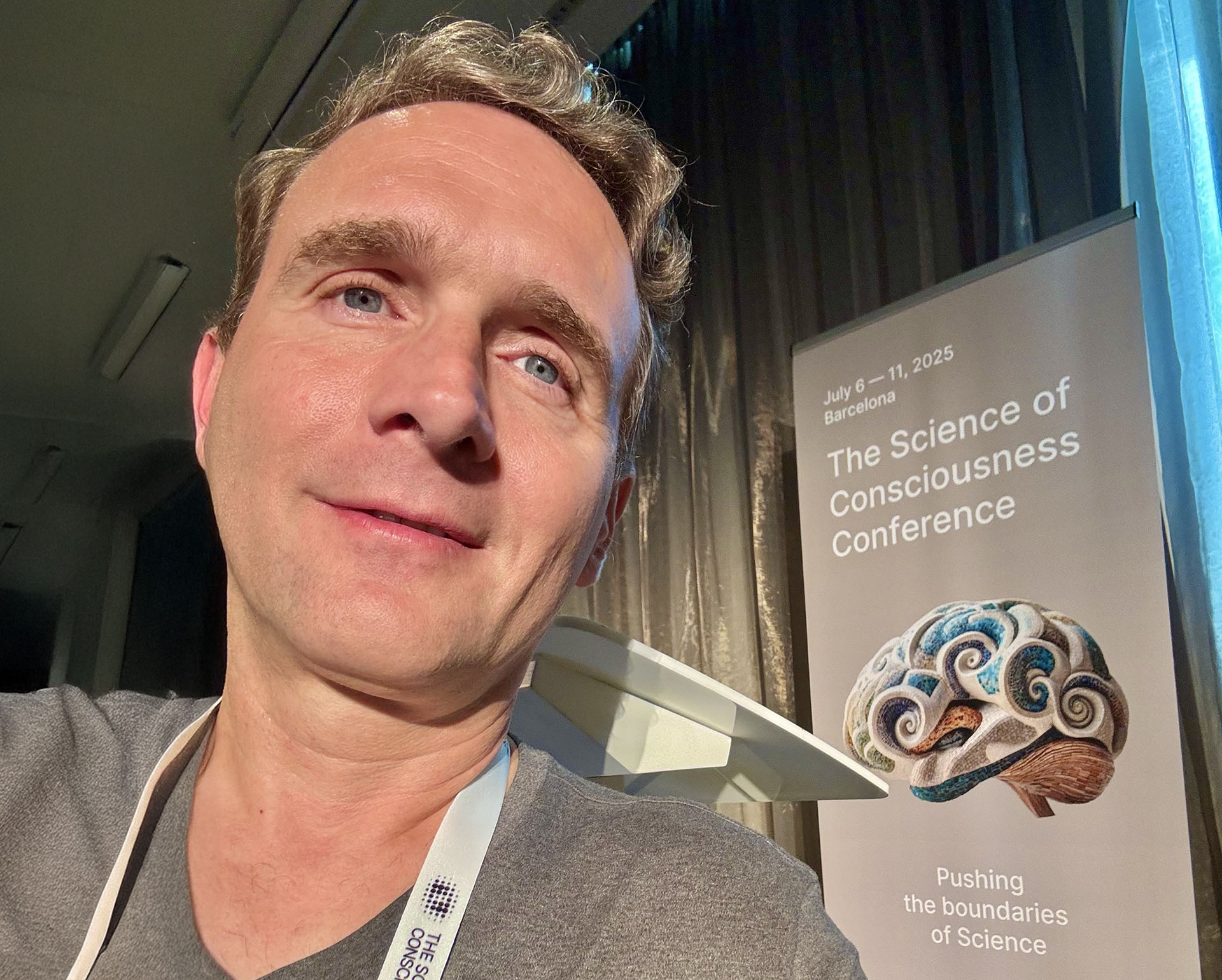
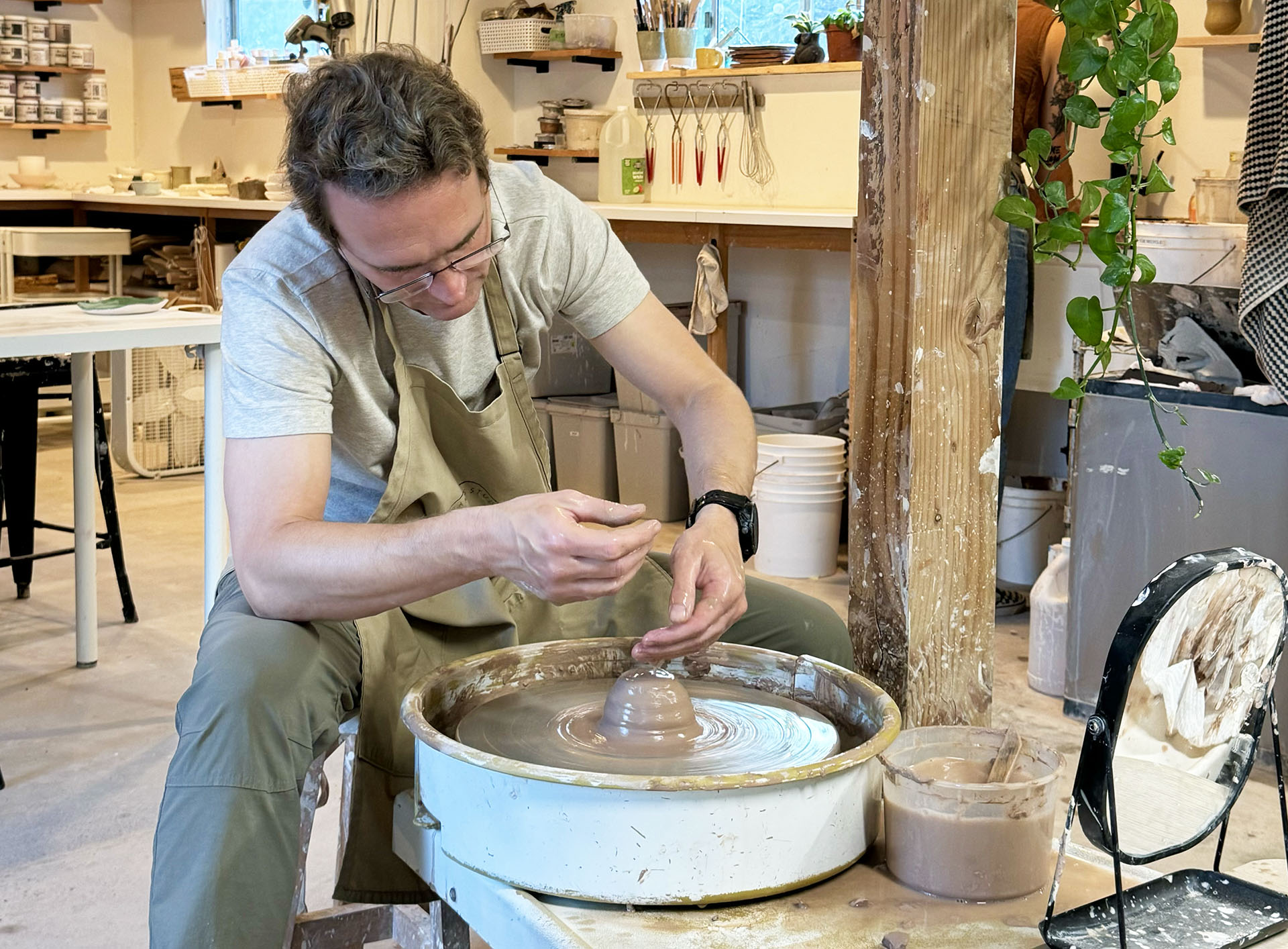
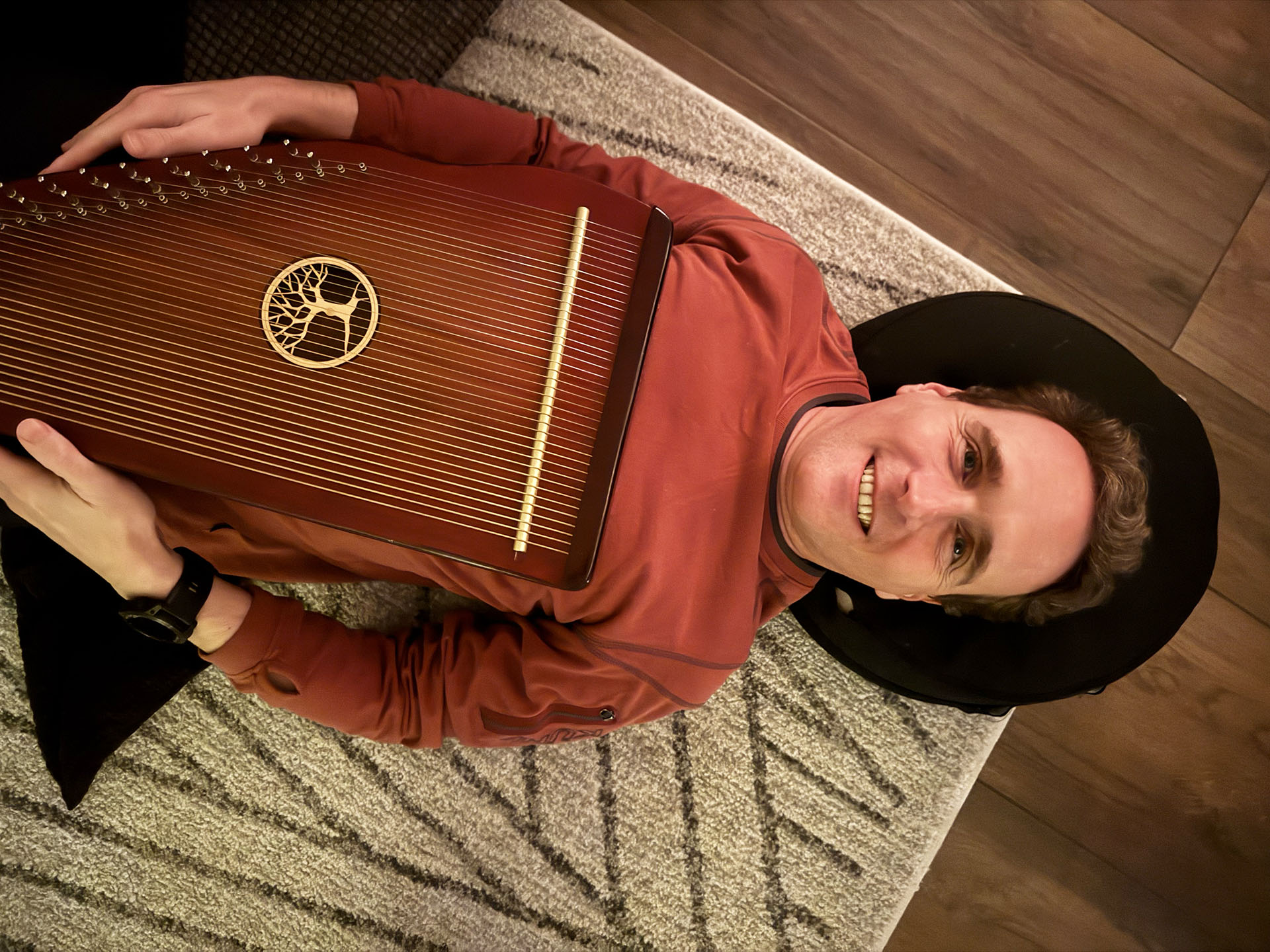
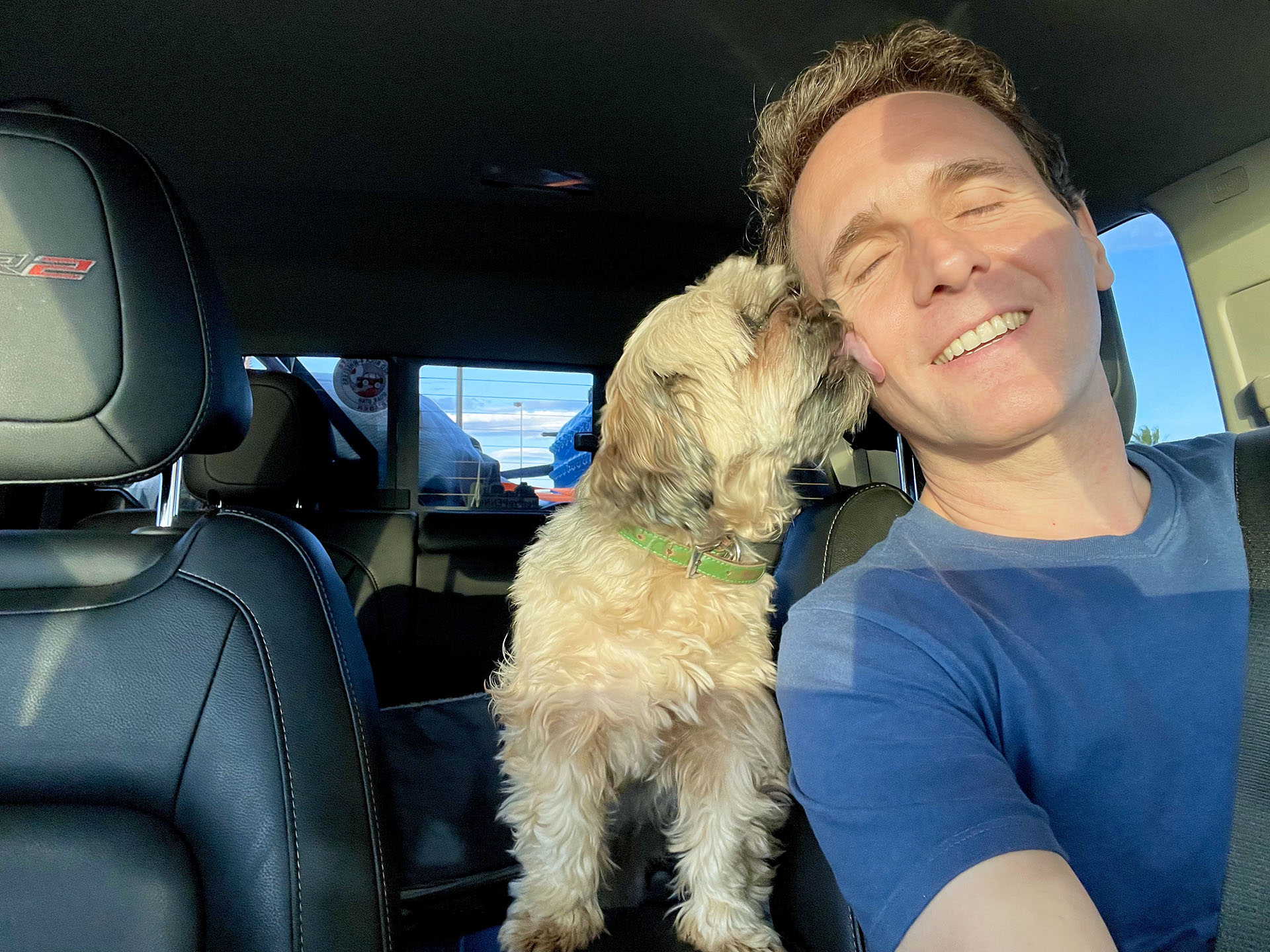
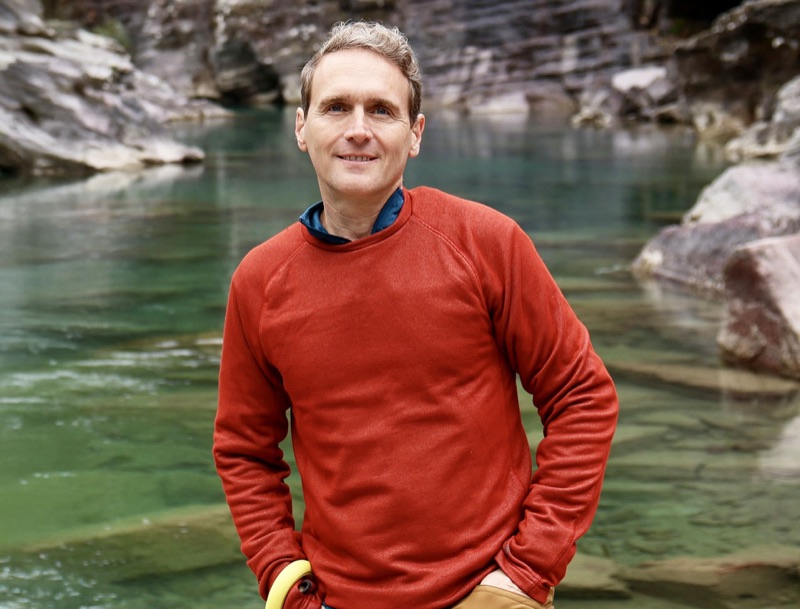
Click any photo to preview. Download the full-resolution originals under each one — or grab everything at once. Free to use for interviews, articles, and episode art.


Daniel's story and philosophy in one conversation — in print, on video, and as a podcast episode.
A different photo, a longer bio, a specific angle for your audience — happy to help.